 EnglishEnglish


Diamonds are widely known as one of the most precious gemstones, prized for their exceptional beauty and durability. Among the various types of diamonds available, MCD Diamond stands out as a remarkable material with unique properties. In this article, we will explore the world of MCD Diamond, its characteristics, applications, and the reasons behind its increasing popularity.
MCD Diamond, short for Monocrystalline Diamond, is a synthetic diamond that is grown in a laboratory under controlled conditions. It is composed of a single crystal lattice structure, making it exceptionally pure and structurally perfect. Unlike natural diamonds, which are formed deep within the Earth's mantle over millions of years, MCD Diamond is created through a process called Chemical Vapor Deposition (CVD). This process involves the deposition of carbon atoms onto a substrate in a vacuum chamber, resulting in the growth of a diamond layer.
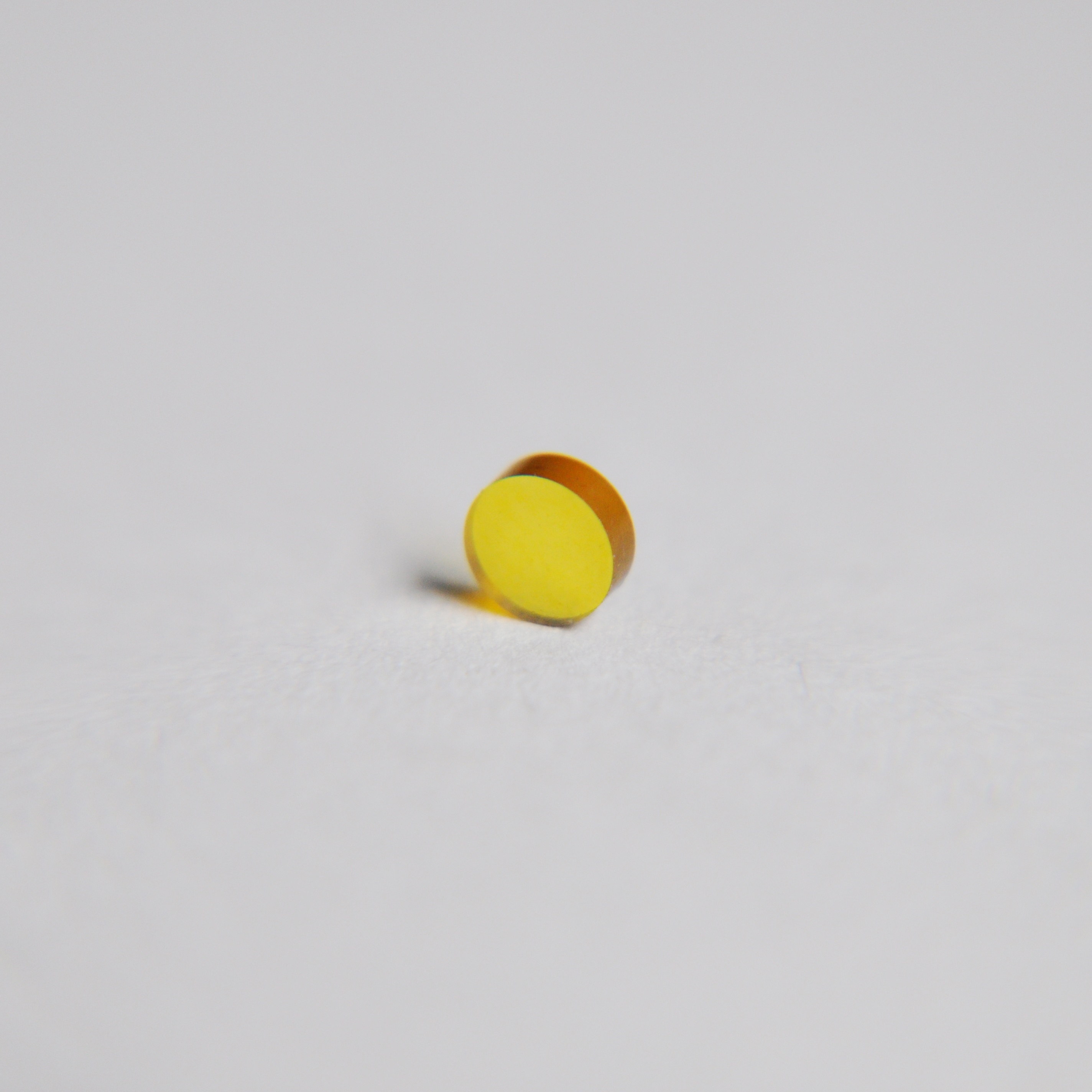


The formation of MCD Diamond begins with a carefully selected diamond substrate, also known as a seed. The substrate is placed in a growth chamber and exposed to a mixture of gases, typically containing hydrogen and methane. These gases break down inside the chamber, releasing carbon atoms. Under specific temperature and pressure conditions, the carbon atoms attach to the diamond seed and gradually form a layer of MCD Diamond.
Hardness and Durability
MCD Diamond is renowned for its exceptional hardness, scoring a perfect 10 on the Mohs scale of mineral hardness. It is the hardest known material, surpassing all other natural and synthetic substances. This remarkable hardness makes MCD Diamond highly resistant to scratching, ensuring its longevity and durability in various applications.
Thermal Conductivity
One of the unique properties of MCD Diamond is its exceptional thermal conductivity. It conducts heat five times more effectively than copper, making it an excellent choice for applications where efficient heat dissipation is crucial. This characteristic has led to its use in high-performance electronic devices, such as power modules and laser diodes.
Optical Transparency
MCD Diamond possesses excellent optical transparency across a wide range of wavelengths. It allows light to pass through with minimal absorption or scattering, making it ideal for optical components, such as lenses and windows. The optical clarity of MCD Diamond enables the transmission of light with minimal distortion, making it valuable in various scientific and industrial settings.
The unique properties of MCD Diamond have resulted in its widespread use across different industries. Let's explore some of its notable applications:
Cutting and Polishing Tools
Due to its exceptional hardness, MCD Diamond is extensively used in cutting and polishing tools. Diamond saw blades, grinding wheels, and drill bits made with MCD Diamond are capable of efficiently cutting through and shaping various materials, including metals, ceramics, and even other diamonds. The superior durability of MCD Diamond ensures long-lasting performance and precision in these applications.
Electronics and Semiconductors
In the field of electronics and semiconductors, MCD Diamond finds applications in high-power devices and thermal management systems. Its excellent thermal conductivity allows for efficient heat dissipation, reducing the risk of device failure due to overheating. MCD Diamond heat spreaders and substrates contribute to the improved performance and reliability of electronic components.
Optical Components
The exceptional optical properties of MCD Diamond make it highly desirable for various optical applications. MCD Diamond lenses, windows, and prisms are utilized in laser systems, spectroscopy, and scientific instruments. Its low absorption and minimal scattering enable precise control and manipulation of light, ensuring accurate measurements and high-resolution imaging.
In conclusion, MCD Diamond is a remarkable synthetic diamond with exceptional properties that set it apart from other materials. Its hardness, thermal conductivity, and optical transparency make it an invaluable resource in various industries. From cutting and polishing tools to electronic devices and optical components, the applications of MCD Diamond continue to expand. With ongoing research and advancements, we can anticipate an even brighter future for this extraordinary gemstone.


