 EnglishEnglish


In the realm of ultra-precision manufacturing, where surface finishes are measured in nanometers and tolerances are vanishingly small, one material stands as the undisputed champion: the single crystal diamond. Tools crafted from this extraordinary material are not merely instruments; they are the key to unlocking levels of accuracy and surface quality unattainable by conventional means.
The supremacy of single crystal diamond tools stems from the perfect atomic structure of diamond itself. Composed of a single, continuous crystal lattice where carbon atoms are bonded via strong sp³ covalent bonds, it possesses a unique combination of properties. It is the hardest known natural material, with a microhardness reaching 10,000 HV. This inherent hardness translates to exceptional wear resistance, allowing the cutting edge to stay sharp for vastly longer periods. Furthermore, its extremely low friction coefficient (0.05-0.07 against non-ferrous metals) and high thermal conductivity are critical advantages.These properties work in concert to minimize heat buildup, prevent material adhesion to the tool, and eliminate built-up edges during cutting.
This synergy of properties directly enables single crystal diamond tools to achieve phenomenal results. They can produce optical-grade mirror finishes on non-ferrous metals, with achievable surface roughness as fine as Rz 0.1 to 0.05 μm. The cutting edge itself can be sharpened to a radius as small as 0.002 μm, allowing for incredibly precise and delicate machining operations. While natural diamond was the original source, advanced manufacturing techniques like Chemical Vapor Deposition (CVD) now enable the synthesis of high-quality single crystal diamond, expanding its availability and application potential.
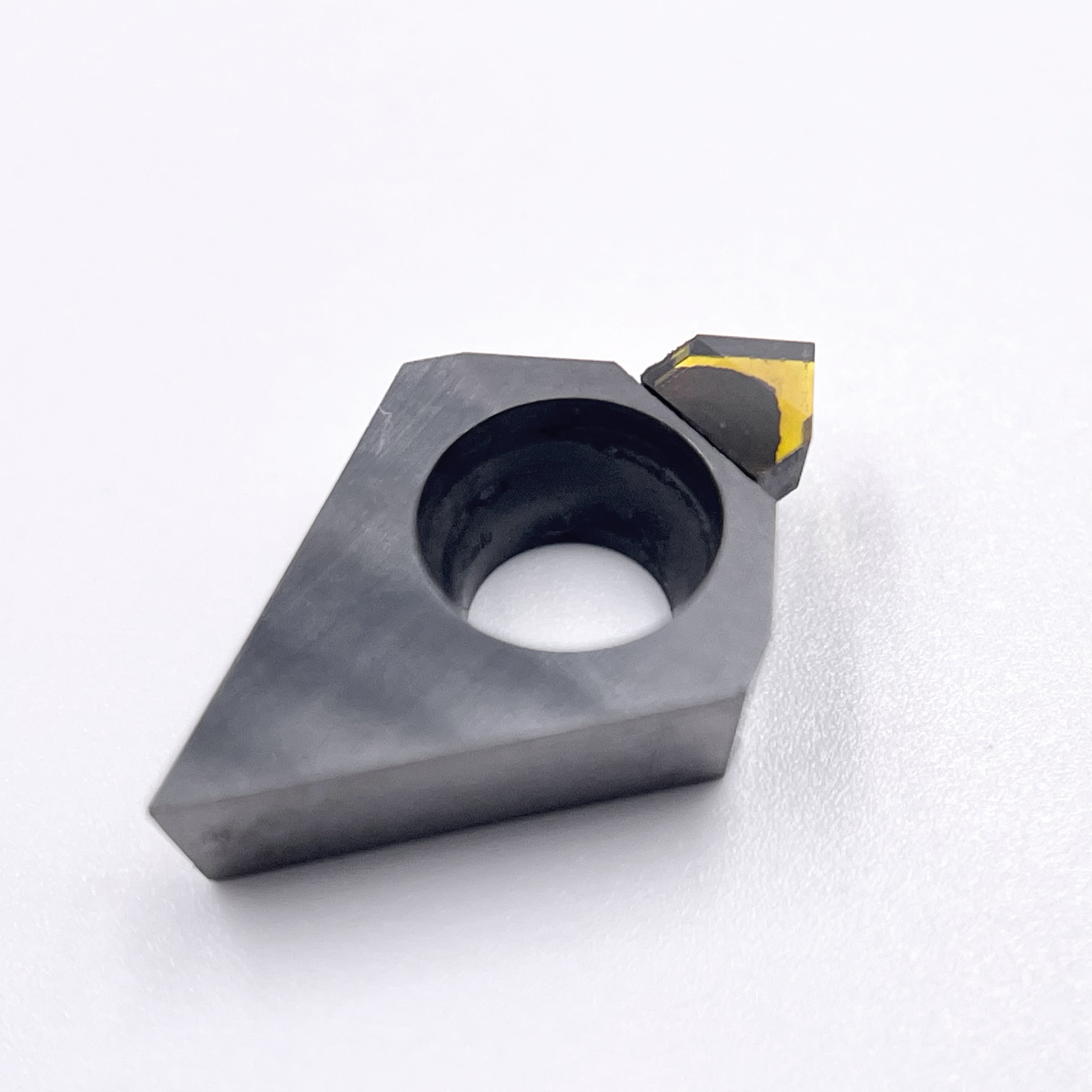
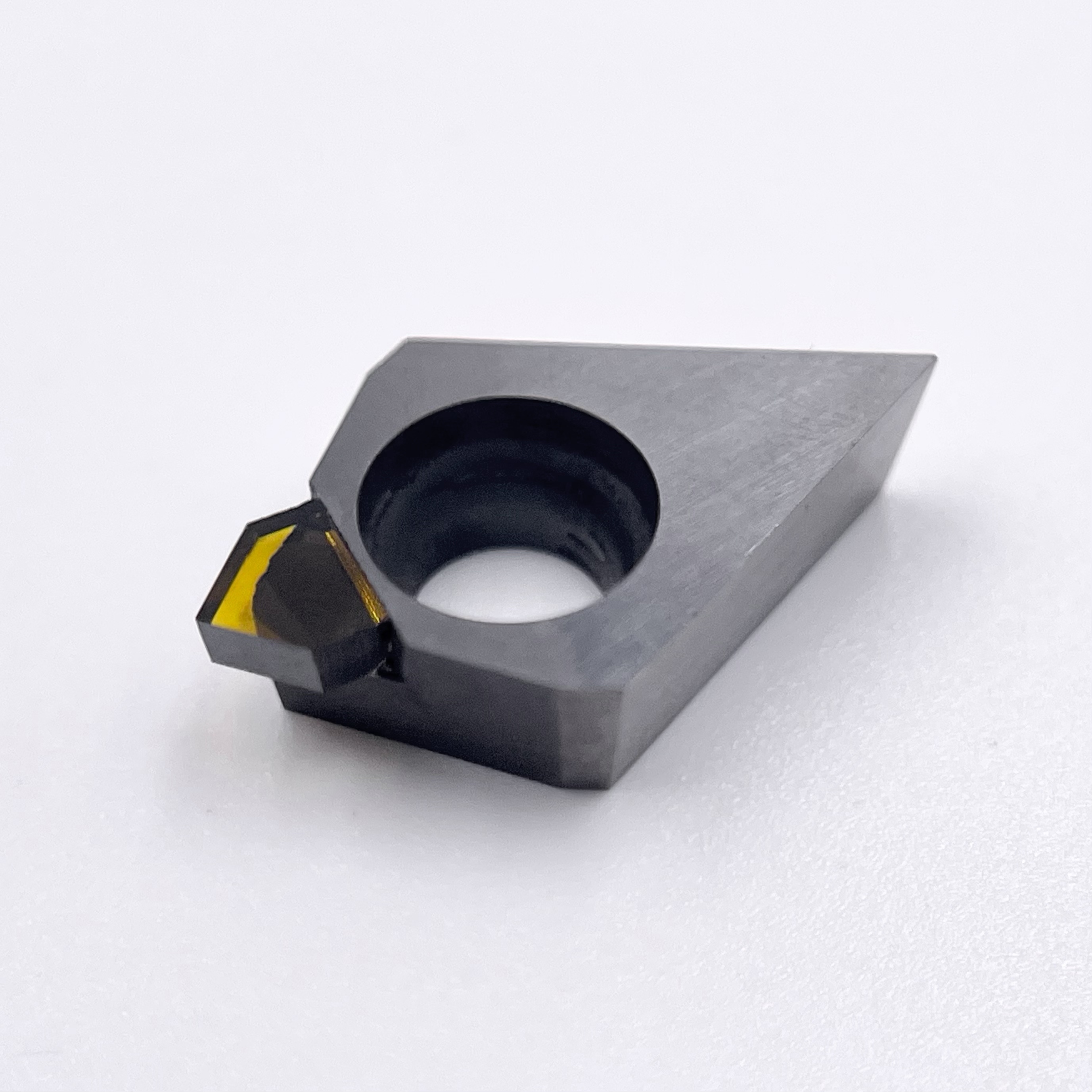
The application spectrum for these tools is specialized yet vital for high-tech industries. They are exceptionally effective for machining a wide range of non-ferrous and non-metallic materials, including copper, aluminum, ceramics, various composites, plastics, and advanced polymers. This makes them indispensable in the production of components for optics, aerospace, and advanced electronics. For instance, their precision is crucial for manufacturing computer hard disk substrates, laser system optics, and other components where surface integrity is paramount.
Mastering single crystal diamond requires more than just the raw material; it demands precise orientation and craftsmanship. Diamond crystals are anisotropic, meaning their properties vary with crystallographic direction.Therefore, tools are meticulously oriented using techniques like X-ray diffraction to select the optimal crystal plane (such as the robust {100} plane) for the cutting faces, ensuring maximum strength and wear resistance.The subsequent grinding and polishing processes are equally precise, controlling parameters down to the nanometer level to create the flawless edge geometry required for ultra-precision work.
From enabling the next generation of optical devices to creating the intricate components that power advanced electronics, single crystal diamond tools represent the pinnacle of machining technology. They are the silent force behind the scenes, shaping the materials that shape our technological future.


