EnglishEnglish
Views: 268


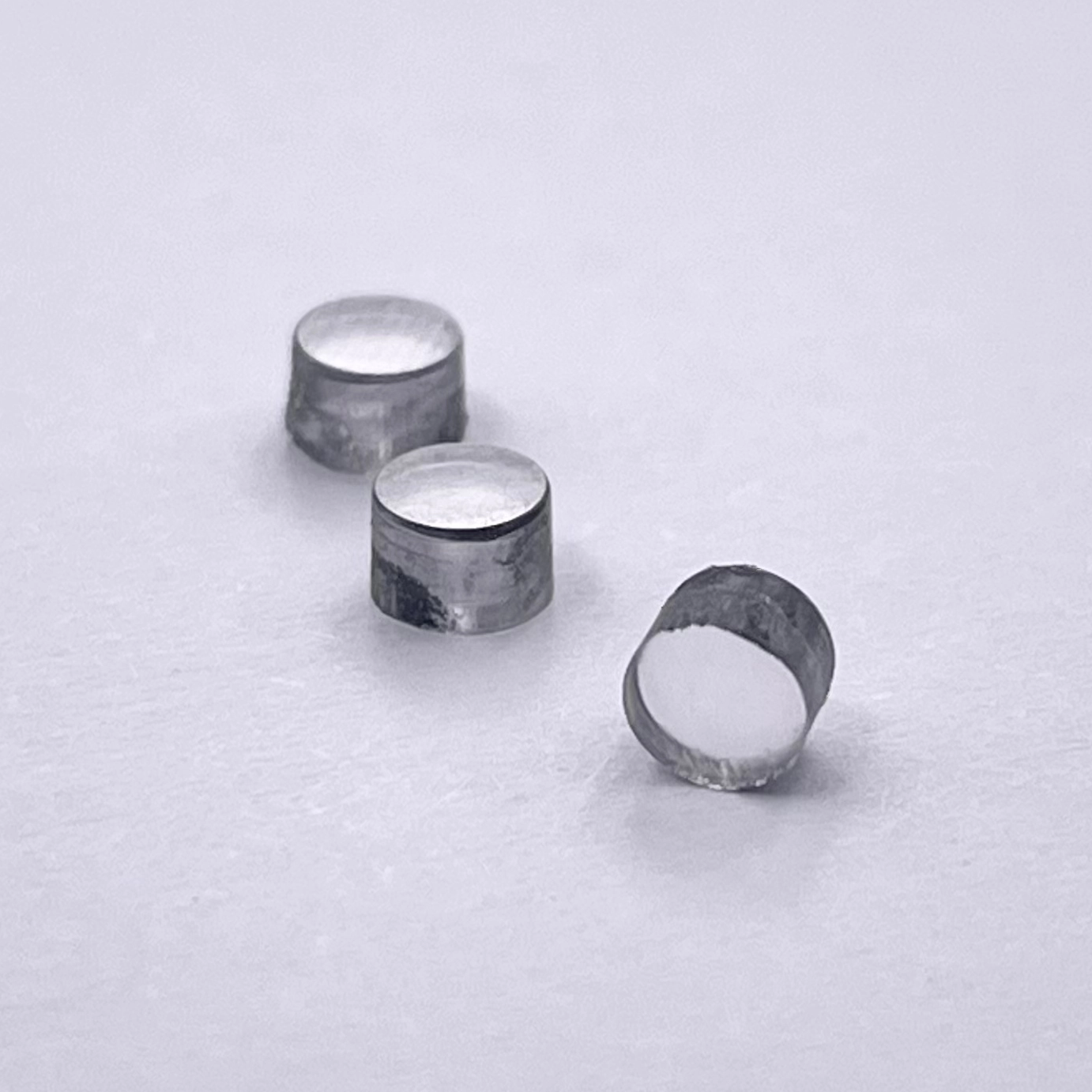
In the demanding world of precision wire manufacturing, the quest for the perfect Diamond Wire Drawing Dies never ceases. Conventional dies, whether made of polycrystalline diamond (PCD) with binding agents or natural single-crystal diamonds, often present a trade-off between wear uniformity, purity, and cost. Today, a revolutionary solution is setting a new standard: the cylindrical CVD monocrystal diamond die with precisely oriented {111} crystal planes.
The fundamental advantage of this advanced die lies in its engineered crystal structure. Unlike traditional single-crystal diamonds whose hardness and wear resistance vary significantly with direction (anisotropy), leading to uneven wear and oval-shaped wire, our dies are meticulously crafted with the {111} crystallographic plane oriented for the working surfaces.
This is not arbitrary. In metallurgy, the <111> orientation in drawn metals like gold wire is associated with significantly higher stiffness and Young's modulus compared to other orientations. By aligning the hardest and most wear-resistant plane of the diamond crystal—the {111} plane—with the die aperture, we create a contact surface of unparalleled durability. This precise orientation, achieved through crystal phase analyzer positioning, ensures consistent and isotropic wear, translating to exceptional dimensional stability for the drawn wire and a dramatically extended die life.
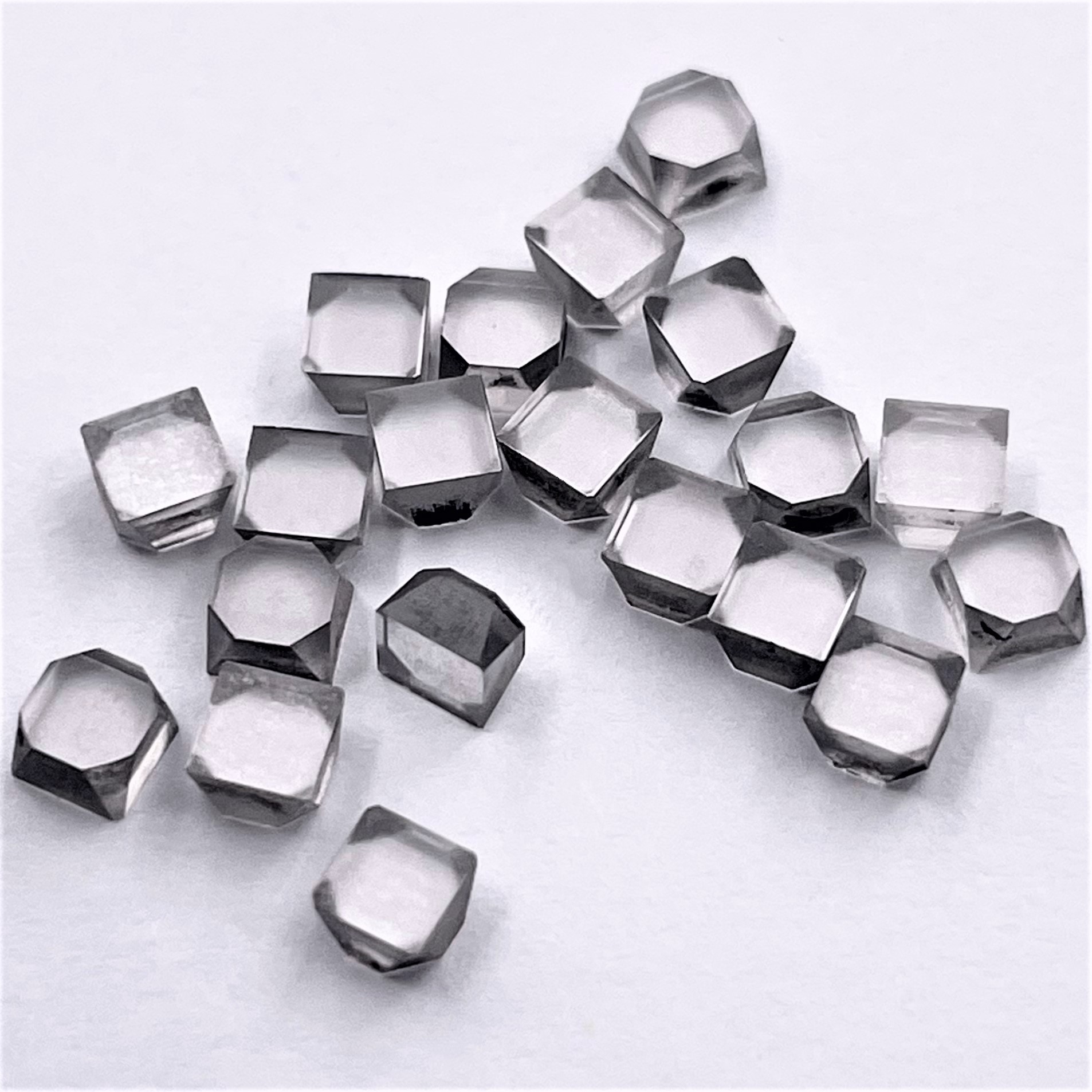
Unmatched Material Purity and Performance: Chemical Vapor Deposition (CVD) diamond is grown atom by atom, resulting in a material of exceptional purity with no metallic binders. This purity grants it superior hardness (Vickers hardness 7000-10000 kg/mm²), thermal conductivity, and chemical inertness compared to PCD. The {111} orientation further maximizes these intrinsic properties where it counts most.
Engineered for Extreme Durability: The combination of high purity and optimal crystal orientation yields extraordinary mechanical strength. These dies exhibit a very high Young's modulus and destructive strength, making them highly resistant to crack initiation and propagation during the high-stress wire drawing process. This results in a service life that can be multiples longer than that of conventional dies.
Versatility Across the Board: This technology breaks the application barrier. The robust and wear-resistant nature of {111} CVD diamond makes it the ideal choice for drawing an exceptionally wide range of materials:
Soft Wires: Such as copper, aluminum, brass, and gold wire.
Hard and Abrasive Wires: Including stainless steel, tungsten, molybdenum, and various plated steel wires.
For manufacturers seeking to optimize their wire drawing operations—aiming for higher throughput, superior wire surface quality, and reduced downtime for die changes—the {111} oriented CVD monocrystal Diamond Wire Drawing Die represents the pinnacle of tooling technology. It successfully bridges the gap between the isotropic wear of PCD and the ultimate hardness of single-crystal diamond, offering a reliable, high-performance, and cost-effective solution for the most challenging applications. By mastering the crystal, we redefine the limits of precision wire production.